

Is This the Next PFAS? EPA Signals New Focus on Microplastics and Pharmaceuticals
/By Diego Santaella and Katelyn Kopp; image AI generated
On April 2, 2026, EPA and HHS released the Draft Sixth Contaminant Candidate List (CCL6) for public review. While it does not establish new drinking water standards, it signals where future regulation is heading, highlighting contaminants likely to face increased scrutiny in the coming years. The draft CCL6 includes four contaminant groups: microplastics, pharmaceuticals, additional per- and polyfluoroalkyl substances (PFAS), and disinfection byproducts, as well as 75 chemicals and nine microbes that may be found in drinking water.
Key Takeaways
EPA’s Draft CCL6 identifies microplastics and pharmaceuticals as emerging priorities
No immediate regulations, but a strong signal of future rulemaking
Expanded monitoring and data collection are likely
Regulatory trajectory may mirror PFAS
Organizations should begin evaluating sampling, treatment, and compliance readiness
What This Announcement Means
This announcement does not create immediate compliance requirements. It does, however, begin the regulatory evaluation process and point to contaminants that may become future priorities.
The Contaminant Candidate List (CCL) is the first step in the Safe Drinking Water Act (SDWA) regulatory process. It helps guide research, funding, monitoring, and future decisions on contaminants that may warrant regulation in public water systems.
Under the Safe Drinking Water Act, EPA includes contaminants that:
Are not currently regulated
Are known or expected to occur in public water systems
May require future regulation
Additional research and monitoring are typically needed before EPA makes a regulatory determination or proposes standards. Still, inclusion on CCL6 is an important early step and may place microplastics and pharmaceuticals on a path similar to PFAS, which appeared on earlier candidate lists years before national drinking water standards were developed.
Why Regulators Are Paying Attention?
This is the first time EPA has formally identified both microplastics and pharmaceuticals as priority contaminant groups within federal drinking water oversight.
Microplastics
Microplastics are tiny plastic particles that have been detected in human blood, breast milk, and organs. Their presence introduces a new category of physical contaminants that regulators are still working to define and evaluate.
Pharmaceuticals
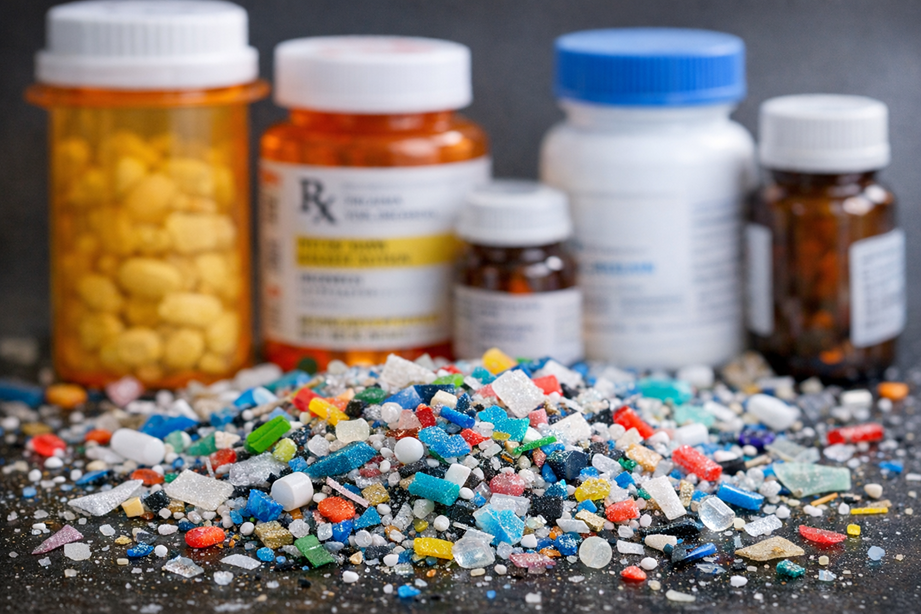
Pharmaceuticals present a different but equally complex issue for human health and the environment. The listed pharmaceuticals represent a broad class of emerging chemical contaminants, about 374 compounds, including antidepressants, hormones, antibiotics, and other drugs that enter water systems through human waste and improper disposal.
Many pharmaceuticals can act as endocrine-disrupting compounds (EDCs), altering normal hormone function and potentially affecting aquatic organisms. Evaluating those effects may require testing methods and assessment points not commonly used under current regulatory guidelines.
Alongside the Draft CCL6, EPA is also releasing human health benchmarks for pharmaceuticals in drinking water. Although these benchmarks are not enforceable, they provide states, Tribes, and local water systems with a practical tool for assessing and managing potential risk when drug residues are detected.
The Science — and Uncertainty — Are Still Evolving
Despite growing evidence of environmental exposure, major questions remain about health effects, measurement methods, and appropriate regulatory thresholds.
Microplastics present a particular challenge because there are not yet universally accepted definitions, sampling protocols, or analytical methods. That makes risk assessment and future rulemaking more difficult than for many traditional drinking water contaminants.
Toxicological data for microplastics and many pharmaceutical compounds also remain limited. That uncertainty could complicate risk assessment, slow regulatory development, and invite legal challenges related to scientific justification or implementation.
Microplastics and pharmaceuticals may follow a similar path, with policy and legal developments advancing alongside an evolving scientific record.
What Organizations Should Expect Next
For environmental professionals and service providers, CCL6 functions as an early warning sign for future regulatory activity.
Expanded environmental sampling requirements
Greater demand for analytical services
Broader data collection through tools such as the Unregulated Contaminant Monitoring Rule (UCMR)
Higher sampling, analytical, and treatment costs as monitoring programs expand
If microplastics are added to a future UCMR cycle, EPA would begin collecting occurrence data to better understand how frequently they appear in drinking water and at what levels.
Organizations should begin integrating these emerging contaminants into environmental compliance planning and evaluating potential treatment or management gaps now.
Conclusion
CCL6 Public Comment Information
Docket Number: EPA-HQ-OW-2022-0946-0015
Submit comments via regulations.gov
Comment deadline: June 5, 2026
Reference materials: Federal Register notice and EPA Draft CCL6 webpage
These developments show that microplastics and pharmaceuticals are moving from emerging scientific concerns toward issues with meaningful regulatory, compliance, and operational implications. As attention shifts from research to monitoring and potential regulation, organizations will need a clearer understanding of where these contaminants may occur and how they would respond.
The inclusion of microplastics and pharmaceuticals on Draft CCL6 reflects a broader shift toward contaminants that historically received limited federal attention. As research advances and occurrence data improve, these contaminants are likely to play a larger role in drinking water policy, environmental compliance, and risk management over the next decade. Organizations should plan for the possibility of future regulation, expanded
monitoring, and growing legal, compliance, and operational impacts.
PHE is a national consulting firm that specializes in environmental compliance and management support for federal, state, and private sector clients. We support our clients by monitoring evolving federal requirements and helping organizations prepare for expanded sampling, analysis, and compliance expectations before they become mandatory. For more information, please reach out to Paul DiPaolo, PMP at paul.dipaolo@phe.com or Greg Jackson, CEA at greg.jackson@phe.com.
